

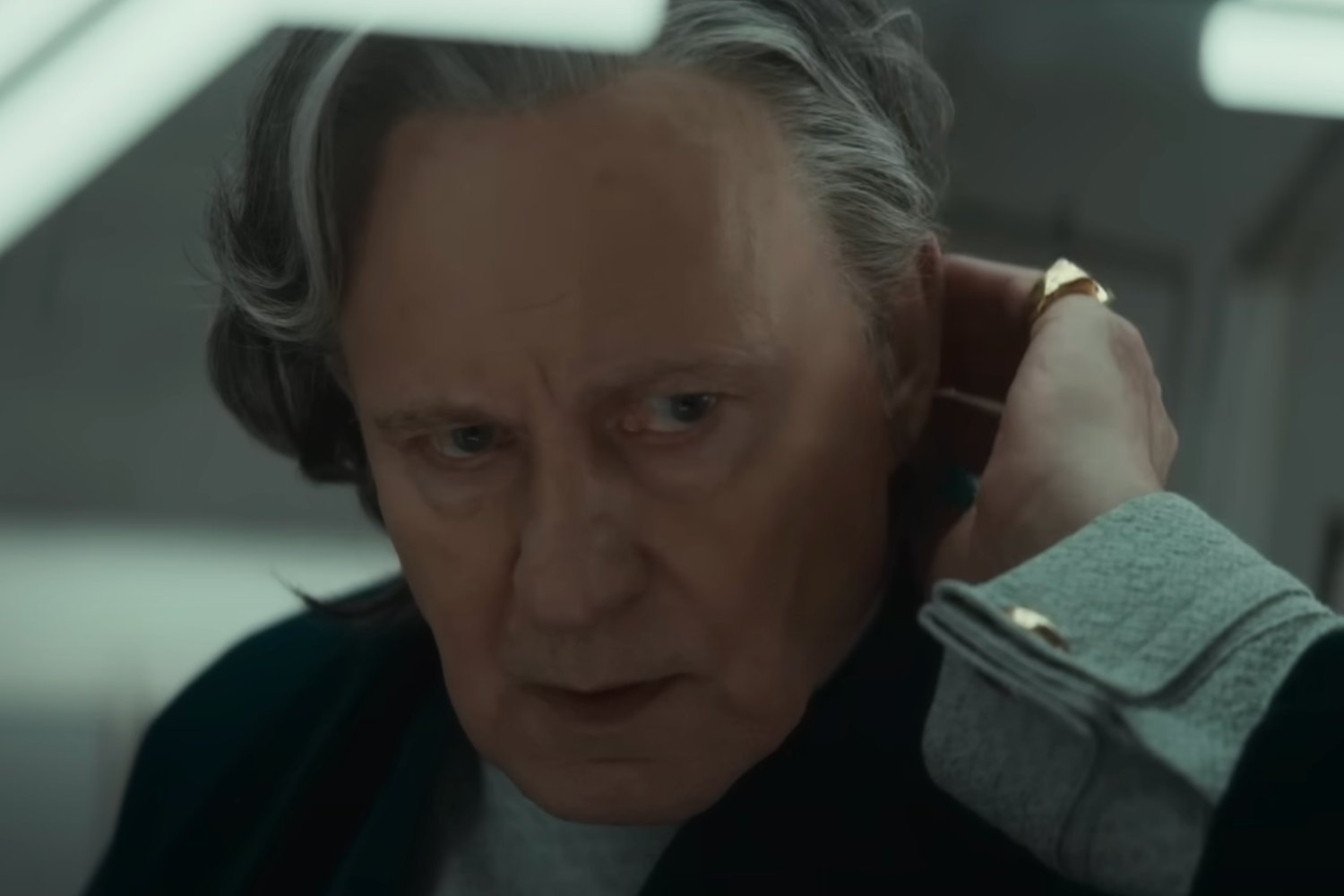
Recently, Andor star Stellan Skarsgård made an appearance on the Q with Tom Power show, where he delved into the complexity of his character, Luthen Rael, and the deliberate ambiguity surrounding his role in the series. As the mastermind behind the revolution, Luthen doesn’t rely on using the Force or direct combat to further the resistance against the Empire, which has always made his motivations difficult to discern.
Skarsgård expressed his appreciation for this complexity, stating, “The people don’t know if he’s a good guy or a bad guy, which I really like, because none of us are really good guys or bad guys. I mean, it’s like real people. He does really terrible things, but so does any general—he sacrifices people for a cause, and so does every military.” This moral ambiguity is reflective of real-life situations, where the lines between right and wrong are often blurred. As Luthen tells Andor, his identity is insignificant in the grand scheme of the revolution; what matters is the ultimate goal, regardless of the cost, as seen in Rogue One: A Star Wars Story and the original Star Wars trilogy by George Lucas.
Skarsgård further emphasized the importance of ambiguity, saying, “But is it the right course? You don’t know. And you don’t know [often] until much later if it was the right course. So this ambiguity, the gray zones, I’m very interested in.” This fascination with the gray areas is something that has driven his acting career from a young age, particularly when it comes to playing complex characters like Luthen.
Skarsgård’s interest in acting was sparked by his childhood desire to play a hero, inspired by the Star Wars franchise and its blend of action and deeper themes. He recalled watching classic swashbuckling adventures, similar to those that influenced George Lucas, such as The Scarlet Pimpernel with Leslie Howard, which featured a character with a dual persona, much like Luthen’s dichotomy as a wealthy antiquities dealer and a military leader.
When discussing his decision to join the Star Wars universe, Skarsgård mentioned that it wasn’t a deliberate attempt to add to his list of roles in Disney, Marvel, and Lucasfilm projects, but rather an awareness of the franchise’s cultural significance. Having seen all the Star Wars films, thanks to his children, he appreciated the originals for their commentary on real-world politics and the exploration of societal structures, which Andor also engages with.
Skarsgård highlighted empathy as a core aspect of what makes Star Wars revolutionary ideals enduring, stating, “In this show, there’s a society and you feel the society, you feel the oppressive society. You have different worlds and you have different cultures and you feel them. And you see that, ‘oh, they think differently than we do.’ And it’s a much more personal and colorful life. And it, of course, becomes political.” This emphasis on empathy and understanding different perspectives is what makes the franchise’s messages about revolution and social change resonate.
For more io9 news, check out the latest Marvel, Star Wars, and Star Trek release dates, what’s next for the DC Universe on film and TV, and everything you need to know about the future of Doctor Who.
Source Link